What are the key factors that determine the strength of a garbage bag? Let’s explore the three most important factors: plastic material, thickness, and bottom-sealing technology.
1. Plastic Material Determines Garbage Bag Durability
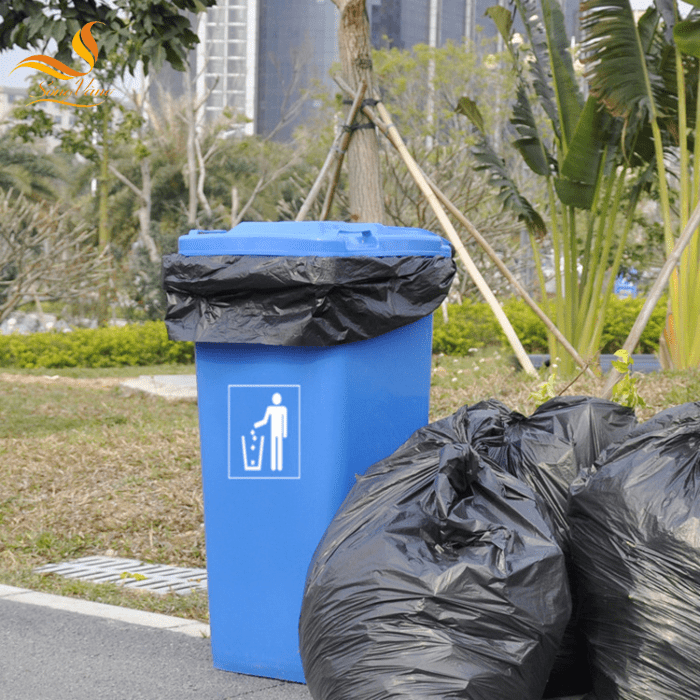
Material is the first factor determining the basic properties of a garbage bag, including flexibility, stiffness, tensile strength, puncture resistance, and water resistance. In garbage bag production, two common material groups are LDPE/LLDPE and HDPE. Each has its own structure and characteristics, making it suitable for different applications.
1.1. LDPE/LLDPE – Flexible and Highly Resistant to Tension
LDPE (Low-Density Polyethylene) and LLDPE (Linear Low-Density Polyethylene) are known for their flexibility and good tensile strength. When subjected to impact or filled with a large amount of waste, these materials can stretch to a certain extent, helping reduce the risk of sudden tearing. LLDPE is particularly valued for its tensile strength and puncture resistance. This is especially useful when garbage bags need to hold heavy waste or items with relatively sharp edges.
In addition, LDPE/LLDPE offers good water resistance, making it suitable for wet waste or waste containing a certain amount of liquid. Therefore, these materials are often considered for applications requiring flexibility, toughness, load-bearing capacity, and good puncture resistance.
For example, when a bag is used to hold bones, cardboard boxes, bottles, packaging, or waste with sharp edges, the material’s ability to stretch and withstand tension can help reduce the risk of tearing during transportation.
1.2. HDPE – Sturdy and Suitable for Lightweight Waste
HDPE (High-Density Polyethylene), on the other hand, offers greater stiffness and shape retention. Thanks to these characteristics, HDPE products generally feel firmer and more rigid during use. HDPE also has relatively good heat resistance and can be produced in thin gauges, helping reduce material consumption in suitable applications.
Therefore, HDPE is often selected for applications such as household waste, office waste, retail stores, or areas where the majority of waste is lightweight and dry. However, when thin HDPE bags are used to contain heavy waste or sharp objects, the risk of puncture and tearing may be higher compared with tougher and more flexible materials.
This shows that there is no single type of plastic suitable for every application. The choice of garbage bag material should be based on the type of waste, its weight, moisture level, and actual transportation conditions.
2. Thickness Determines the Load-Bearing Capacity of Garbage Bags
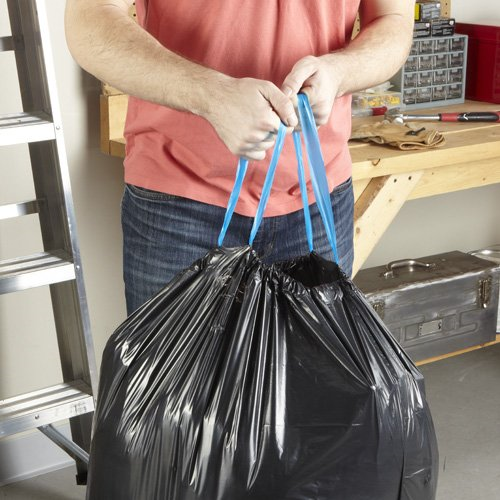
In addition to material, thickness is an important factor that directly affects load-bearing capacity and tear resistance. Plastic film thickness is typically measured in microns (µm). In general, as thickness increases, the amount of material in the bag wall also increases, which can support greater load-bearing capacity.
However, it should not be assumed that thicker always means better. Durability also depends on the type of plastic, formulation, film quality, manufacturing technology, and bottom-sealing design.
Thickness can generally be divided into three reference ranges:
-Below 15 microns – for lightweight waste: Products thinner than approximately 15 microns are generally suitable for light and dry waste such as paper scraps, candy wrappers, lightweight packaging, or office waste. The advantages of this range include low weight, reduced material consumption, and suitability for situations where bags need to be replaced frequently. However, very thin bags should not be used for heavy or wet waste or items with sharp edges.
-15–30 microns – suitable for everyday use: This thickness range is suitable for many everyday applications in households, offices, stores, and residential areas. Products in this range can provide a balance between load-bearing capacity, durability, and production cost. If the waste mainly consists of paper, food packaging, plastic bottles, containers, and other common household waste, this can be a practical choice.
-Above 30 microns – for heavy and wet waste: When bags need to contain heavy waste, wet waste, or objects with sharp edges, thicknesses above 30 microns are often preferred. This range can be used for kitchen waste, industrial waste, bones, rigid boxes, or other types of waste that place significant pressure on the bag walls and bottom. Greater thickness increases the amount of material forming the bag wall, thereby supporting tensile strength and reducing the risk of tearing during transportation.
However, the optimal choice is still a thickness that matches the actual application rather than simply increasing thickness to the maximum level.
3. Bottom-Sealing Technology Determines Garbage Bag Strength
If material determines the properties of the film and thickness affects the load-bearing capacity of a garbage bag, bottom-sealing technology plays an important role in keeping the waste securely inside the bag.
The bottom is an area that experiences significant pressure, especially when the bag is lifted after being filled with waste. A bag with very thick walls can still experience bottom bursting or leakage if the bottom seal is not properly designed or manufactured. Therefore, sealing design and technology should be considered together with material and thickness.
-Flat bottom seal: This is a common bottom-sealing structure with a relatively simple design. It is suitable for many general applications, particularly for waste that is not excessively heavy.
The main advantages of a flat bottom seal are its simple structure and convenient production process. However, when subjected to heavy loads, pressure can become concentrated around the sealing area. Therefore, for applications requiring high load-bearing capacity, material, thickness, and bottom design should also be carefully considered.
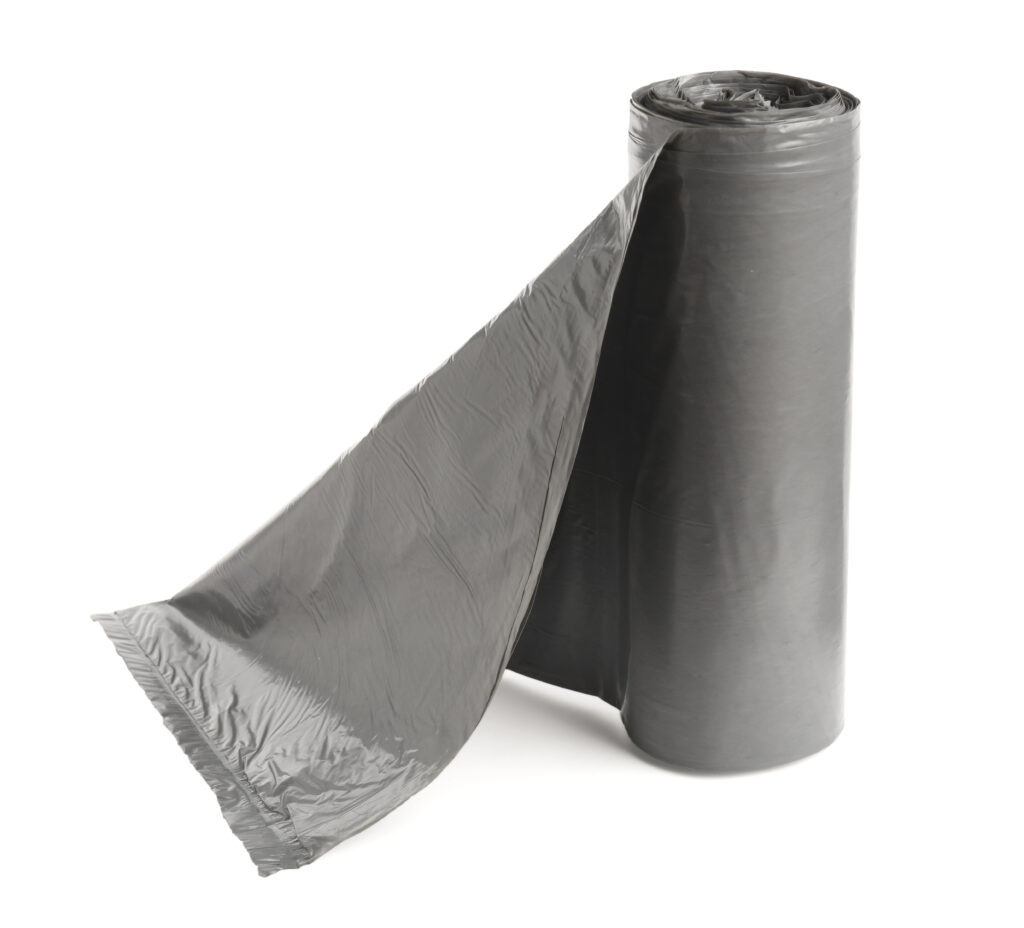
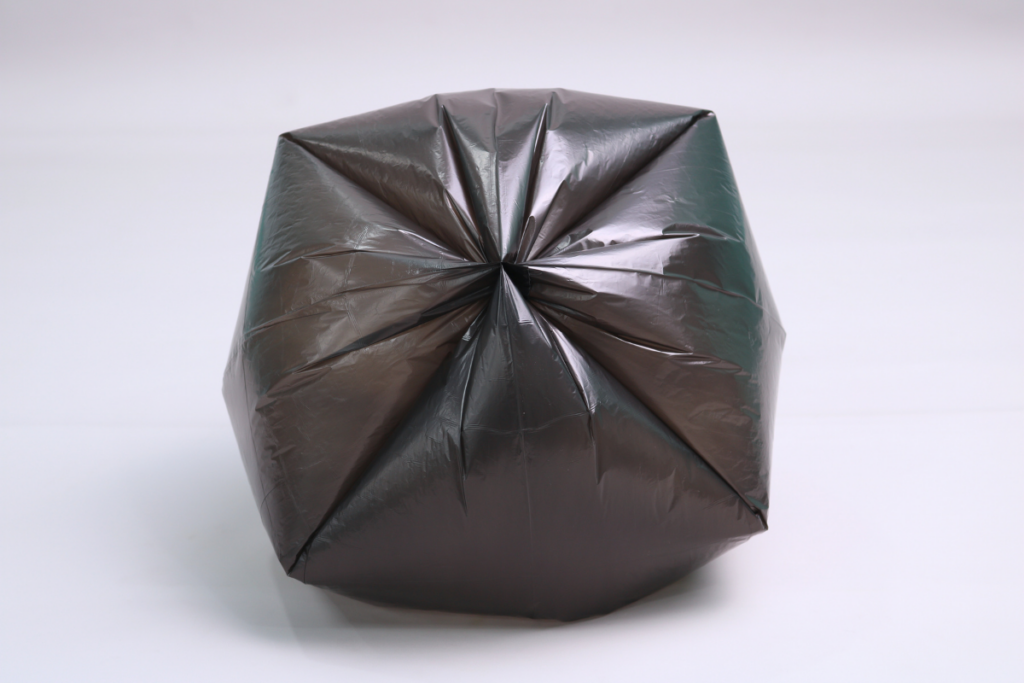
-Star seal: This bottom design is commonly used for garbage bags requiring better load-bearing performance and leak resistance. When opened, the bottom forms a star-like structure. This design helps distribute the weight of the waste over a wider area instead of concentrating it along a single sealing line. As a result, the forces acting on the bottom are distributed more evenly, helping reduce the risk of bottom bursting when the bag contains a large amount of waste.
This is particularly beneficial for applications where the bag needs to be lifted or transported after being filled with a significant amount of waste.
4. Choosing Garbage Bags Based on Actual Requirements
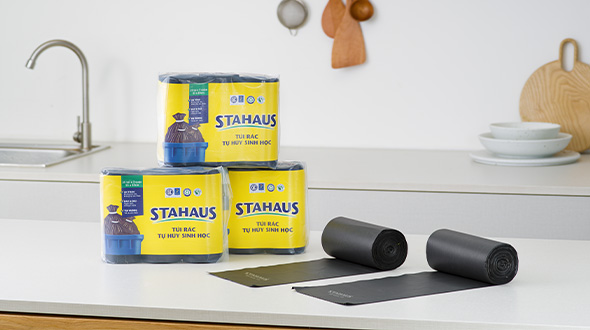
The three factors above show that choosing the right garbage bag should not be based solely on whether it feels “thick” or “stiff.”
The following factors should be considered together:
-Plastic material: LDPE/LLDPE or HDPE?
-Thickness: What micron thickness is appropriate?
-Type of waste: Dry, wet, lightweight, or heavy?
-Waste characteristics: Does it contain sharp or angular objects?
-Bottom design: Flat seal or star seal?
-Usage conditions: Is the bag only used to contain waste, or does it also need to withstand lifting, transportation, and storage?
Making the right choice from the beginning can not only improve product performance but also help minimize tearing, bottom bursting, and leakage during use.
In addition to durability and performance, the plastic packaging industry is increasingly focusing on material optimization, waste reduction, and the promotion of a circular economy.
According to the OECD, countries in Southeast Asia are gradually implementing policies related to plastic waste management, recycling, and Extended Producer Responsibility (EPR) for packaging. The 2025 regional report also emphasizes the importance of improving collection, sorting, and recycling systems to increase the circularity of plastic materials.
For further reference: OECD – Regional Plastics Outlook for Southeast and East Asia (2025)
This highlights that the industry’s development is not only focused on producing stronger products, but also on using materials efficiently, designing products according to actual needs, and improving product lifecycle management.
For single-use or short-life products such as garbage bags, selecting the appropriate thickness and structure is particularly important. A product designed to meet actual usage requirements can help avoid unnecessary material consumption while still ensuring effective performance.
5. High-Quality Garbage Bag Solutions from Stavian Packaging
To obtain garbage bags with high durability, good load-bearing capacity, and suitability for specific applications, choosing the right manufacturer and product structure plays an important role. Stavian Packaging provides a diverse range of garbage bag solutions designed according to the actual requirements of different customer groups:
-Diverse materials & structures: Using suitable plastics such as HDPE, LDPE, and LLDPE, with customization according to requirements for flexibility, stiffness, tear resistance, puncture resistance, and water resistance.
-Customized thickness based on application: From thin bags for lightweight waste to thicker bags for household waste, wet waste, heavy waste, or waste with sharp edges, helping businesses optimize the balance between quality and cost.
Suitable bottom-sealing technology: Depending on load requirements and intended use, bags can be designed with suitable bottom-sealing structures to improve load-bearing capacity, reduce the risk of bottom bursting, and minimize leakage when containing waste.
-Customized production & flexible specifications: Dimensions, colors, thickness, designs, and packaging specifications can be customized to meet diverse requirements, from households, offices, and restaurants to industrial applications.
Stable production & supply capacity: With large-scale production capabilities and strict quality-control processes, Stavian Packaging aims to ensure product consistency, meet delivery schedules, and optimize costs for large-volume orders.
Businesses looking for customized garbage bag solutions or requiring consultation on materials, thickness, dimensions, or production specifications can contact Stavian Packaging for suitable solutions and direct quotations from the manufacturer.
Explore our high-quality garbage bag products here: https://stavianpackaging.com/products/garbage-bags-2/
