Maintaining a clean, orderly, and hygienic kitchen goes beyond simply wiping down countertops or washing dishes daily. The true secret lies in how efficiently we manage, store, and preserve our food. In our ongoing series on kitchen cleanliness secrets, smart food packaging and coverage solutions play a pivotal role. Among everyday household tools, PE cling film stands out as a compact yet powerful solution that elevates hygiene standards in any modern home.
1. What is PE cling film?
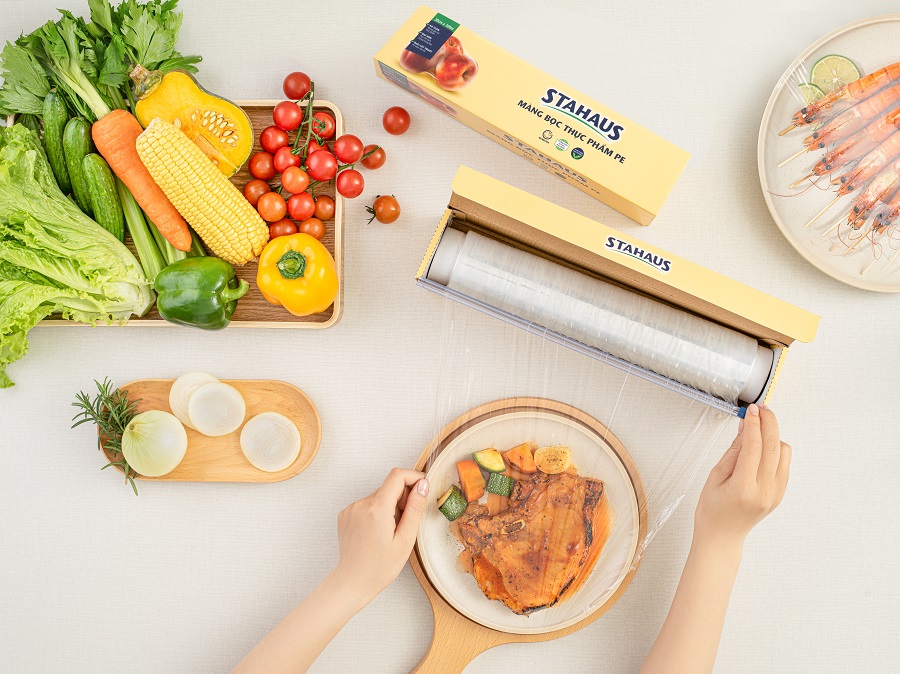
PE cling film (polyethylene food wrap) is a thin, flexible plastic wrap manufactured from food-grade virgin Polyethylene (PE). It is widely regarded as a premium choice in the food packaging industry due to its high purity, non-toxic nature, and safety for human health.
Unlike traditional PVC wraps that often require chemical plasticizers (such as DEHA or Phthalates) to achieve flexibility, PE cling film derives its natural elasticity directly from the molecular polymer structure of pure polyethylene.
Outstanding characteristics of PE cling film:
-High biological safety: Made from virgin PE resin, it contains no harmful chemical additives and does not leach toxic substances when coming into contact with food, meeting strict food safety and hygiene regulations.
-Flexible stretch and adhesion: It clings smoothly to various container surfaces, including glass, ceramic, stainless steel, and plastic, making it effortless to seal bowls, plates, and trays.
-Crystal-clear transparency: The excellent clarity of PE cling film allows home cooks to easily view, monitor, and identify stored ingredients without needing to unwrap the cover.
-Moisture and odor barrier: PE material effectively seals in moisture and prevents water loss, keeping fruits and vegetables crisp while preventing food odors from spreading into the surrounding environment.
2. Applications of PE cling film in the home kitchen
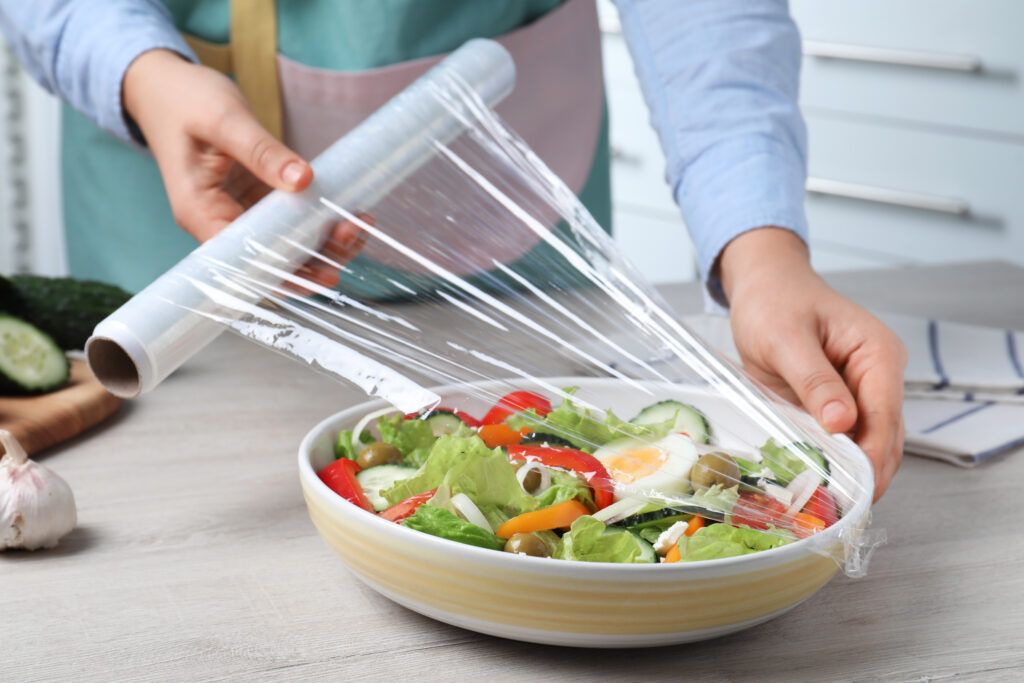
Far beyond merely covering leftover meals, PE cling film offers a variety of clever applications that support a clean, organized, and functional cooking environment.
2.1. Preserving fresh produce and retaining nutrients
-Fruits and vegetables: Wrapping whole or partially sliced produce in PE cling film preserves natural humidity, slows down oxidation, and keeps fruits and vegetables fresh without wilting for days.
-Raw meat and seafood: Portioning raw meat and seafood before tightly wrapping them in PE wrap helps prevent freezer burn on the surface and locks in essential nutrients during cold storage.
2.2. Preventing cross-contamination in the refrigerator
One of the leading causes of food spoilage and unhygienic conditions is cross-contamination between raw ingredients and cooked meals. Using PE cling film to individually wrap different foods creates a protective barrier that stops bacteria from spreading or accumulating, keeping refrigerator compartments clean and odor-free.
2.3. Kitchen maintenance and cleaning hacks
-Lining refrigerator shelves: Apply sheets of PE cling film directly onto refrigerator shelves. When spills, drips, or sauce stains occur, simply peel off the dirty wrap and replace it with a fresh layer—no tedious scrubbing required.
-Protecting cooking areas: Apply a layer of cling film to the wall tiles near your stovetop to catch grease splatters while frying. After a few weeks, peel the film away to reveal a spotless wall underneath.
3. How to use PE cling film safely and correctly
While PE plastic is inherently safe, adhering to proper usage guidelines for PE cling film ensures maximum food preservation efficiency while protecting your family’s health.
3.1. Temperature limits and microwave precautions
-The heat resistance of PE plastic generally ranges from -40°C to 110°C (-40°F to 230°F). Consequently, PE cling film is ideal for both freezer storage and refrigeration, though it should not come into direct contact with boiling hot food.
-When reheating food in a microwave, ensure the film is elevated at least 2.5 cm (1 inch) above the food surface. Always poke a few small ventilation holes in the PE cling film to release steam, preventing pressure buildup or accidental burns when removing the wrap.
3.2. Avoid direct contact with highly oily or acidic foods
When exposed to high heat, animal fats and cooking oils can quickly exceed safe temperature thresholds. For greasy dishes or highly acidic items (such as tomato sauce or pickles), it is best to use glass or ceramic containers with lids rather than wrapping them directly in plastic film.
3.3. Proper storage of the roll
-Store your wrap roll in a dry, clean area away from direct sunlight, gas stoves, ovens, or other heat sources.
-After cutting off a sheet, smooth the edge back against the roll to prevent tangling and ensure smooth dispensing during your next use.
4. Quality packaging solutions with Stavian Packaging
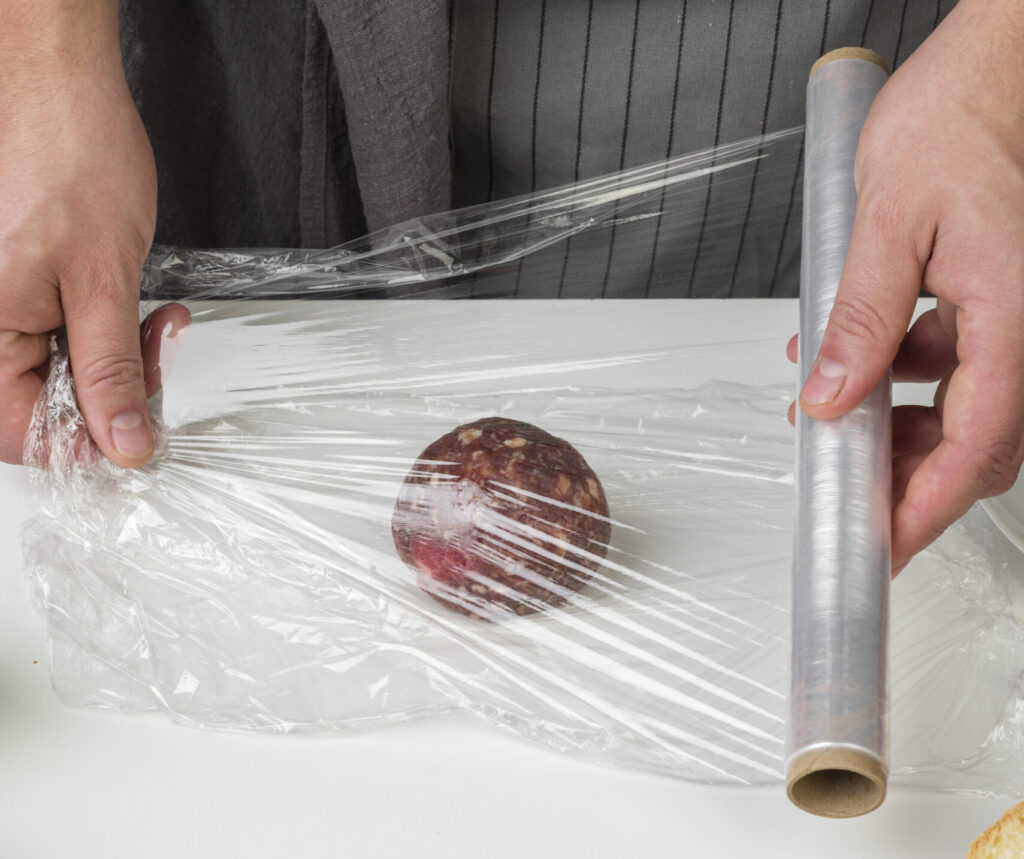
Building a healthy lifestyle and safeguarding your family’s well-being starts with choosing certified, high-quality food preservation products from trusted manufacturers.
Stavian Packaging takes pride in being a global leader in the production and supply of high-grade plastic packaging solutions. Our PE cling film product lines are manufactured on state-of-the-art production lines, adhering to strict quality controls from raw material selection to final inspection.
Products featuring PE cling film from Stavian Packaging comply with international food safety standards while offering exceptional elasticity, durability, and cling performance. They cater perfectly to household food storage requirements as well as high-volume commercial kitchen demands.
Contact Stavian Packaging today to discover comprehensive, safe, and eco-friendly food packaging solutions tailored to your needs!
Discover our product here: https://stavianpackaging.com/products/pe-cling-film/
Everyone also can connect with us through:
Email: info@stavianpackaging.com
Hotline:+84 24 7306 8868/+84 98 899 2358
Website: https://stavianpackaging.com
Linkedin: https://www.linkedin.com/company/stavian-packaging-vietnam/
