In the retail industry, packaging is more than just a means of carrying goods. It directly affects the shopping experience and brand image. A bag that is too thin may tear when customers carry their purchases, while packaging that is excessively thick can increase costs unnecessarily. Therefore, choosing the right shopping bags requires businesses to carefully balance quality, functionality, budget, and long-term development goals.
So, what are the key criteria that help businesses select an effective packaging solution?
1. Determine the Purpose of Shopping Bags
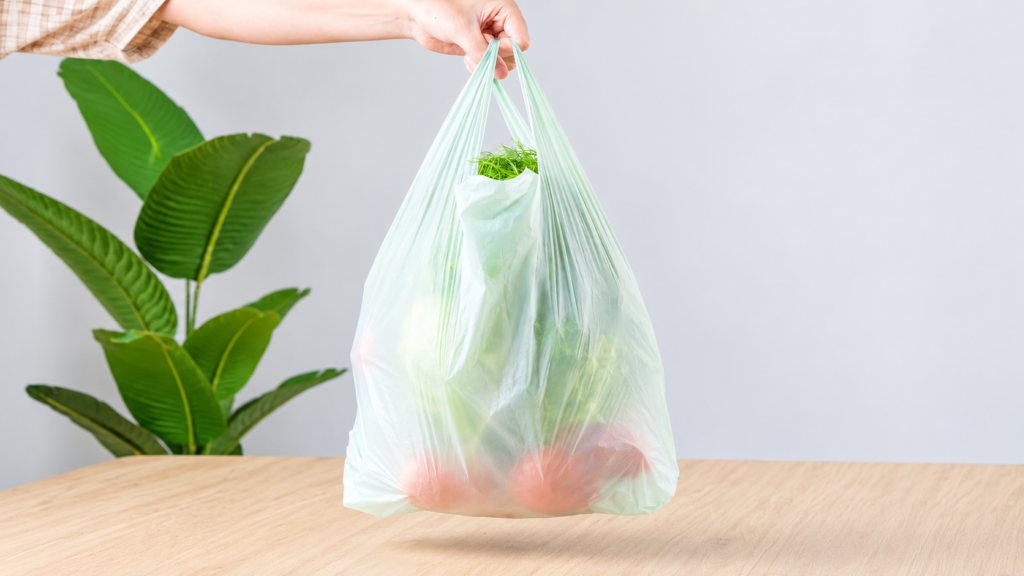
Before choosing materials or designs, businesses need to identify the types of products that will be packaged. Each retail sector has different requirements in terms of load-bearing capacity, size, and level of protection.
Supermarkets and convenience stores: Prioritize lightweight bags that are easy to open, offer suitable load-bearing capacity, and optimize costs when used in large quantities.
Fashion and cosmetics stores: Focus on aesthetics, print quality, and handle design to enhance the customer experience.
Food retailers: Pay attention to moisture resistance, sealing strength, and food-contact safety requirements.
E-commerce businesses: Prioritize lightweight packaging, suitable dimensions, and the ability to protect goods during delivery.
2. Choose Suitable Materials for Shopping Bags
Material selection largely determines the durability, flexibility, and production cost of shopping bags. Some commonly used materials include:
-HDPE: Lightweight, relatively rigid, and moisture-resistant, making it suitable for supermarkets and retail stores with high-volume packaging needs.
-LDPE: Soft, flexible, and relatively glossy, making it ideal for fashion and cosmetics packaging, as well as products that require a more attractive appearance.
-PP: Offers good rigidity and shape retention. It is commonly used in woven or non-woven bags designed for reuse.
Businesses should not select materials based solely on price. Instead, they need to consider load-bearing capacity, durability, and suitability for the products being packaged. For example, lightweight products do not necessarily require excessively thick bags, while heavy goods or products with sharp edges require more careful consideration of material structure and strength.
3. Balance the Size, Thickness, and Design of Shopping Bags
Size and thickness directly affect the cost per packaging unit. If a bag is too small, packing becomes inconvenient. If it is too large or too thick, businesses may waste materials and increase unnecessary costs.
The design should also suit the store’s packaging process. T-shirt bags are suitable for supermarkets and convenience stores because they allow for quick packing. Die-cut handle bags are often used by fashion retailers, while flat-bottom bags provide more interior space for carrying products.
Businesses should request samples and conduct practical tests before placing large orders, particularly to check the strength of handles and sealing areas.
4. Balance Order Quantities, Design, and Sustainability Trends
Minimum Order Quantity (MOQ) is another concern for many retailers looking to produce customized packaging. Ordering too many bags can create inventory pressure, while ordering too few may increase the unit price because production setup and printing costs are spread across a smaller quantity.
A practical solution is to discuss MOQ, printing costs, lead times, and the possibility of phased deliveries with the manufacturer in advance. Businesses should also prioritize simple, versatile branding designs and avoid unnecessary details.
Sustainability trends should also be taken into account. According to McKinsey’s Sustainable Packaging 2025 research, cost and affordability remain significant barriers to the transition towards sustainable packaging. Therefore, businesses should consider recycled materials, material optimization, and post-consumer collection options based on their actual budgets, rather than pursuing solutions that exceed their operating capabilities.
5. Stavian Packaging – Shopping Bags Solutions for Retail Businesses
Stavian Flexible Packaging, a member of Stavian Group, is one of Vietnam’s leading providers of high-quality packaging solutions for both domestic and international markets. All production processes at Stavian Flexible Packaging comply with stringent quality management standards and meet internationally recognized certifications, including ISO 14001:2015, ISO 9001:2015, GRS, REACH Compliance, FDA Compliance, KIWA, and others.
With six manufacturing plants and an annual production capacity of over 50,000 tons, Stavian Flexible Packaging is committed to continuously delivering high-quality products and services to customers in domestic and international markets.
To learn more about technical specifications, materials, and receive competitive quotations for professional packaging solutions, customers can visit the product catalog directly:
Website: https://stavianpackaging.com
Email: info@stavianpackaging.com
Hotline:+84 24 7306 8868/+84 98 899 2358
Linkedin: https://www.linkedin.com/company/stavian-packaging-vietnam/
