Amid climate change, increasing plastic waste, and growing consumer demand for transparency, sustainable packaging has become a core strategy of the global packaging industry. No longer just a protective layer for products, packaging is now being redefined as an essential component of a company’s sustainability journey.
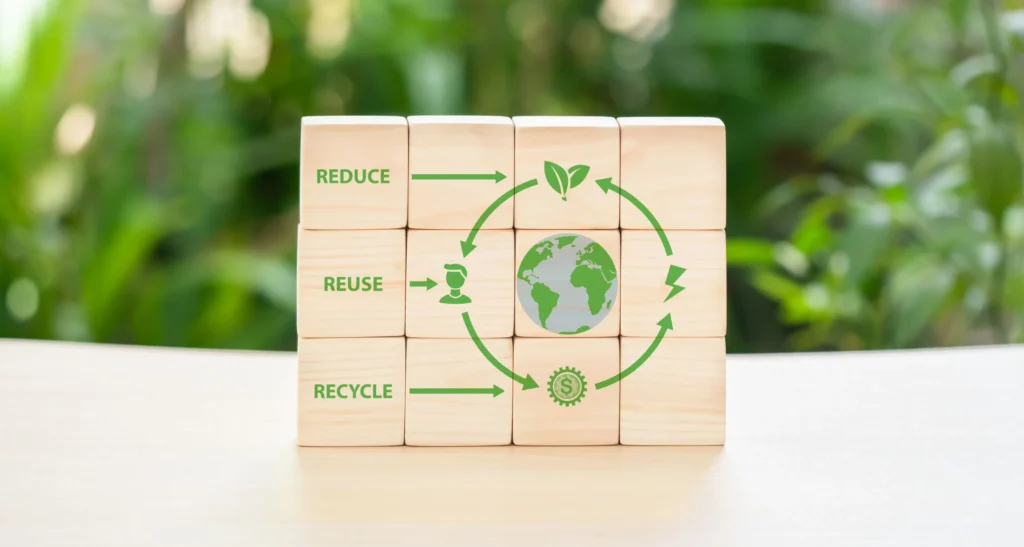
So, what are the most prominent sustainable packaging trends in the new era?
1. Eco-friendly materials – The foundation of sustainable packaging
Material innovation is the most fundamental and impactful trend. Companies are rapidly shifting toward materials that are recyclable, renewable, or capable of reducing carbon emissions throughout the product lifecycle.
Mono-material packaging
Mono-material packaging uses a single type of material instead of complex multi-layer structures. This significantly simplifies sorting and recycling processes, making it particularly suitable for flexible packaging applications such as food pouches, seasoning sachets, and fast-moving consumer goods (FMCG) packaging.
Simplifying material structures not only supports recycling systems but also reduces waste management costs and optimizes supply chains.
Bioplastic packaging
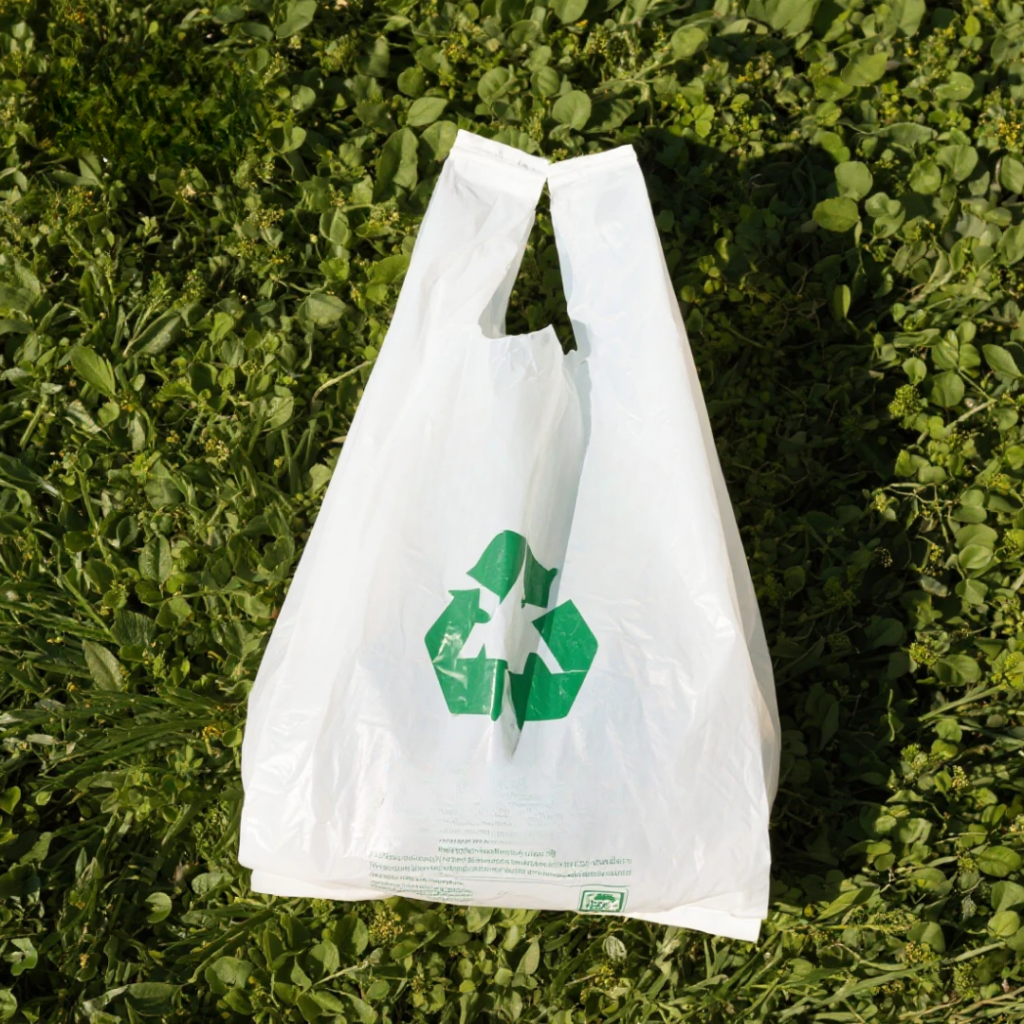
Bioplastics such as PLA, PHA, and PBAT are produced from renewable resources like corn starch, sugarcane, or cassava. Unlike traditional plastics derived from petroleum, bioplastics help reduce reliance on fossil fuels and lower carbon emissions.
This represents a crucial step toward balancing product protection performance with environmental responsibility.
Reusable packaging – Non-woven and woven fabric bags
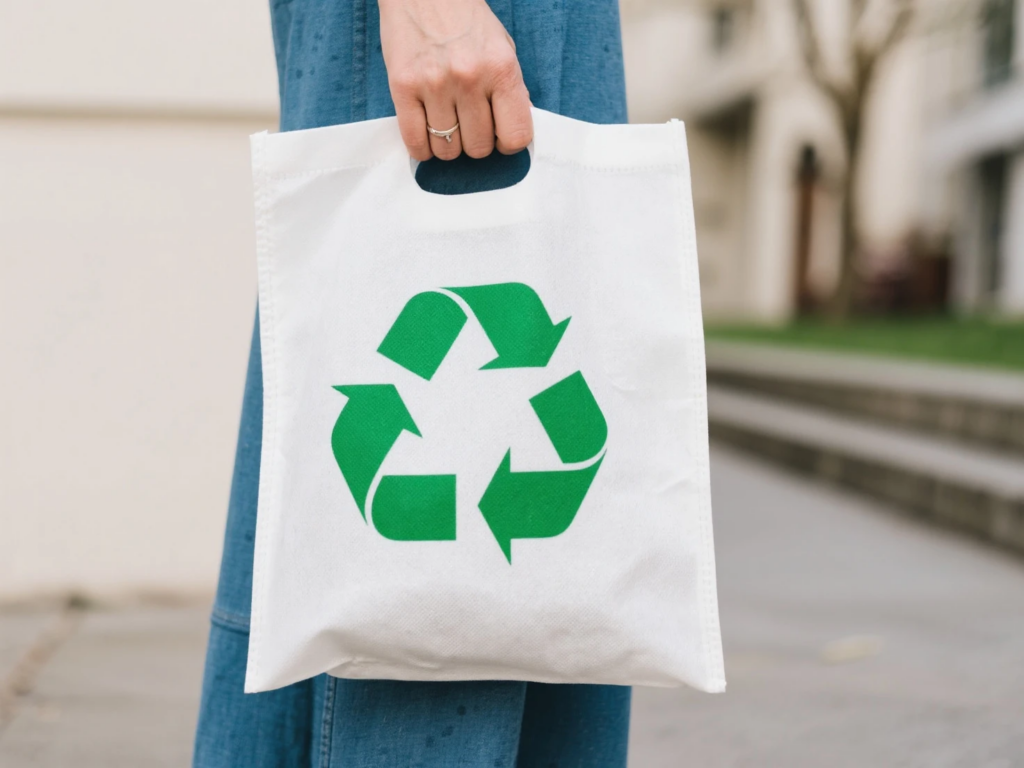
Non-woven and woven fabric bags are increasingly replacing single-use plastic bags. With high durability and strong load-bearing capacity, these bags can be reused multiple times, significantly reducing plastic waste.
Beyond environmental benefits, reusable packaging also enhances brand image by demonstrating a commitment to sustainability and social responsibility.
2. Sustainable design – Optimizing resources and extending lifecycle
In addition to materials, packaging design plays a decisive role in sustainability strategies. Smart design can reduce material usage, lower production costs, and improve reusability.
The “Less is more” philosophy
Minimalist design has become a dominant trend. Businesses are reducing packaging thickness, minimizing material layers, and eliminating unnecessary details. This approach not only conserves resources but also reduces transportation weight, thereby cutting carbon emissions in logistics.
A streamlined design that maintains both aesthetics and functionality is key to modern sustainable packaging.
Enhancing reusability
Reusability is gaining attention across various industries. Non-woven and woven fabric bags are prime examples, offering multiple-use solutions instead of single-use plastic alternatives. This extends product lifecycle and alleviates pressure on waste management systems.
3. Circular economy model: Refill and reuse
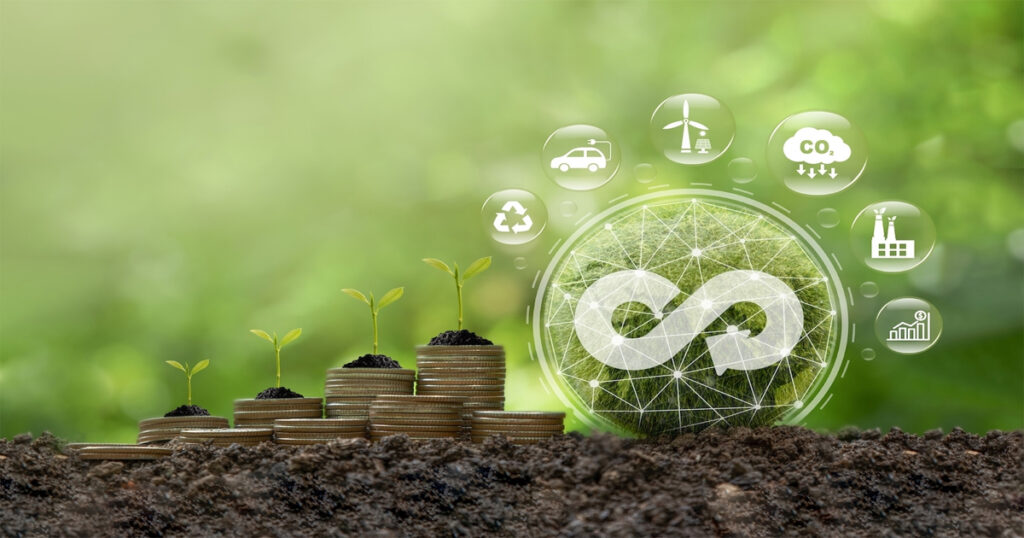
Sustainable packaging today goes beyond materials and design, embracing the circular economy model. In this approach, packaging is considered part of the product’s lifecycle rather than waste after a single use.
Refill and reuse solutions are becoming increasingly popular, particularly in the food, beverage, and cosmetics industries. Consumers can retain the primary packaging and purchase refill products, significantly reducing packaging waste.
This strategy not only helps businesses optimize long-term production costs but also strengthens a brand’s environmentally responsible image.
Sustainable Packaging – An Inevitable Industry Shift
The shift toward sustainable packaging is no longer a trend-driven choice but an inevitable requirement in today’s development landscape. Consumers increasingly favor brands with clear environmental commitments, while regulations on waste and carbon emissions continue to tighten worldwide.
Through material innovation, design optimization, and the adoption of circular economy models, packaging is being redefined, from a “single-use item” to a long-lasting, value-driven solution. This transformation marks a significant highlight of the packaging industry in the new era, where economic growth must go hand in hand with environmental responsibility.
