In everyday life and food processing activities, convenience and cost-effectiveness are always top priorities. Among the personal protective products available today, HDPE disposable gloves have become a popular choice thanks to their lightweight design, reliable mechanical strength, and highly affordable price. So, what makes this product so widely used? Let’s take a closer look in the following article.
1. What Are HDPE Disposable Gloves?
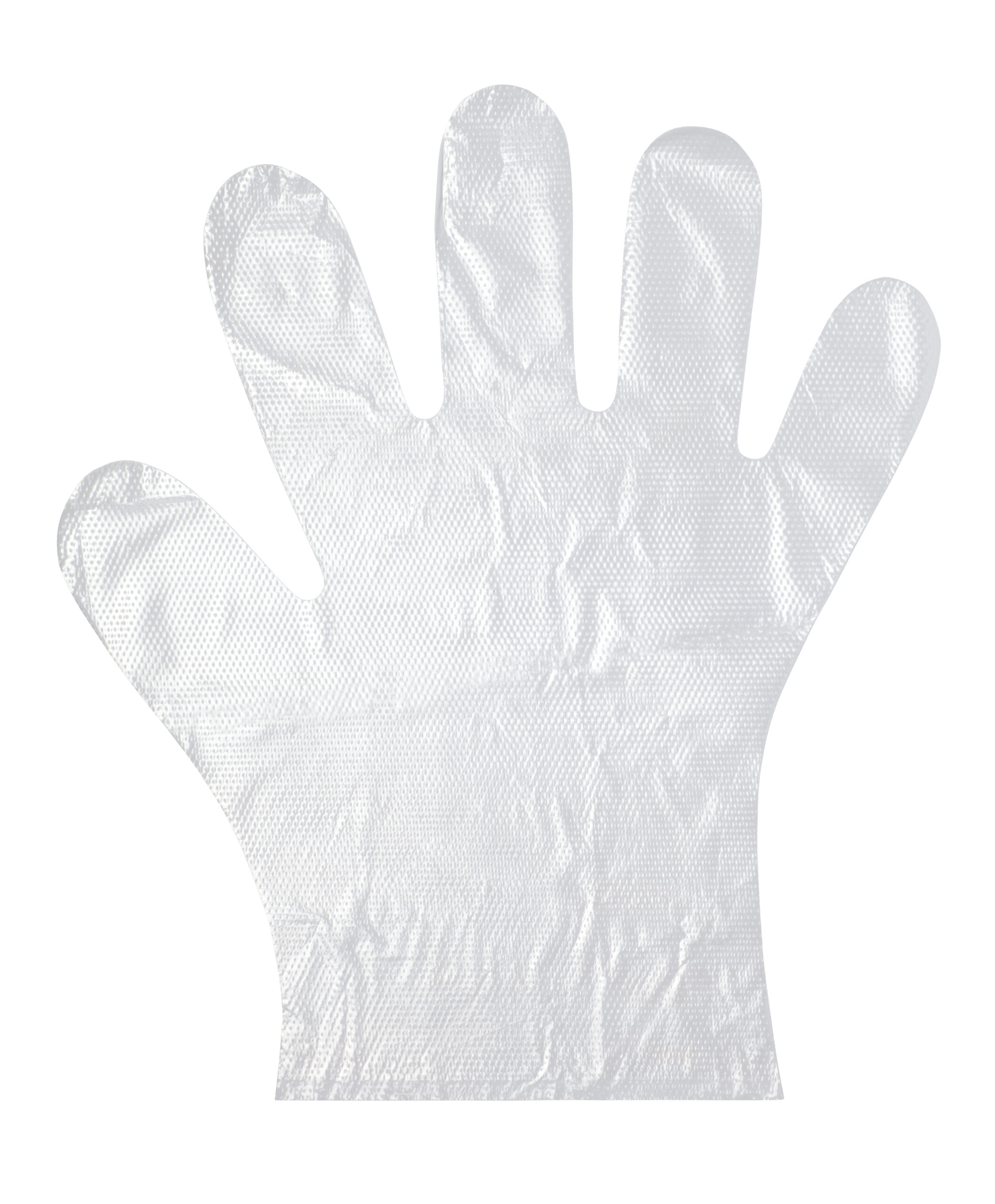
HDPE is a plastic film material made from high-density polyethylene resin, typically manufactured using blown film technology. Its tightly packed molecular structure allows the material to remain thin while maintaining its natural strength and durability.
Unlike low-cost PVC gloves that may require plasticizers to achieve flexibility, HDPE disposable gloves are generally made from polyethylene without the plasticizers commonly used in flexible PVC. The gloves are usually transparent or feature a lightly embossed surface, helping reduce sticking and making them easy to put on and remove within seconds.
2. Is HDPE Plastic Harmful? The Facts About the Safety of HDPE Disposable Gloves
This is a common concern among consumers who use plastic products for direct food contact.
–A plastic material with a well-established safety profile: HDPE is widely used in food-contact applications. Virgin HDPE resin does not inherently contain Bisphenol A (BPA) or phthalates as part of its polymer structure. However, the safety of a finished glove depends on its formulation, additives, manufacturing process, and compliance with applicable food-contact regulations.
–Low risk of chemical migration when properly manufactured: HDPE has good chemical resistance and is generally stable under normal conditions of use. However, the possibility of chemical migration depends on the glove’s composition, the type of food, contact time, and temperature. Gloves should be verified as suitable for their intended food-contact applications.
–Important usage considerations: HDPE disposable gloves are generally intended for use at ambient or moderately warm temperatures, depending on the product specifications. They should not be used to handle boiling food or exposed to temperatures exceeding 100°C unless the manufacturer explicitly confirms their suitability for those conditions.
3. Key Features That Make HDPE Disposable Gloves Special
3.1 Lightweight Design for a Natural Feel During Use
One of the most notable advantages of HDPE disposable gloves is their lightweight, thin construction. Despite their minimal thickness, they allow users to maintain a good sense of touch when handling objects, without excessive bulk or significantly restricting hand movements when peeling fruit, sorting vegetables, or organizing items.
3.2 Water Resistance and Protection Against Grease and Household Substances
Virgin HDPE offers excellent water resistance and good resistance to many oils, grease, seasonings, and food colorants. When using HDPE disposable gloves, users can help keep their hands clean and reduce direct contact with food odors and staining substances. However, protection against detergents and cleaning chemicals depends on the specific chemical, its concentration, and the glove’s thickness.
3.3 An Alternative to PVC Gloves Containing Phthalates
Many consumers are concerned about potential chemical exposure when using plastic gloves to handle food. According to Ecology Center, the Healthy Stuff program tested 101 PVC gloves used for food handling and found that 14% of the samples contained phthalates, a group of chemicals commonly used as plasticizers. The report raised concerns that certain substances may migrate from gloves into food under specific contact conditions, potentially increasing chemical exposure.
These findings highlight the importance of controlling material composition and selecting gloves that meet applicable food-contact safety requirements, rather than focusing solely on price and convenience. As with CPE disposable gloves, HDPE disposable gloves made from virgin polyethylene and verified as suitable for food contact can offer an alternative without relying on the plasticizers commonly used in flexible PVC. Powder-free and latex-free options are also available, although these characteristics should be confirmed through product specifications.
3.4 A Cost-Effective Solution for High-Volume Use
Compared with rubber or nitrile gloves, HDPE disposable gloves are generally much more affordable. This makes them a cost-effective choice for restaurant chains, food stalls, packaging facilities, bakeries, and industrial kitchens, where gloves may need to be changed frequently between tasks to maintain proper hygiene.
4. Practical Applications of HDPE Disposable Gloves
Thanks to their versatility, water resistance, and competitive pricing, HDPE disposable gloves have become an essential consumable in many industries:
–Food service, F&B, and industrial kitchens:
Handling raw food: Wearing gloves when preparing fish, meat, and seafood helps reduce direct hand contact and the risk of cross-contamination when gloves are changed appropriately between tasks.
Handling cooked food and packaging takeaway meals: Commonly used in sandwich shops, salad bars, pizzerias, and fried-food outlets for handling and packaging food, provided the gloves meet the relevant food-contact requirements.
Home cooking: Useful for washing vegetables, peeling produce, marinating food, preparing grilled dishes, or mixing salads while reducing direct contact with chili, turmeric, and other staining ingredients.
–Beauty, spa, and hair salon services:
Hair coloring and bleaching: HDPE film can provide a basic barrier against splashes and direct contact with certain products. However, HDPE disposable gloves should not replace gloves specifically designed and tested for the chemicals being handled.
Basic skincare treatments: May be used for applying skincare products, light massage, or cleaning beauty tools when appropriate for the task.
–Supermarkets, retail chains, and traditional markets:
Self-service food sections: Supermarkets often provide HDPE disposable gloves near fruit, vegetable, meat, and seafood displays so customers can handle products more hygienically.
Packaging agricultural produce and dry goods: Packaging workers can use gloves to reduce direct contact with dirt, grease, and residues from packaging equipment.
–Industrial cleaning and household care:
Household cleaning: Suitable for light cleaning tasks involving soapy water, floor-cleaning products, and general dirt, provided the gloves are compatible with the substances being handled.
Pet care and gardening: Can be worn when bathing pets, cleaning litter trays, handling soil, or pruning ornamental plants to help keep hands clean.
5. Stavian Flexible Packaging – A Trusted Partner for Comprehensive Packaging Solutions
Stavian Flexible Packaging, a member of Stavian Group, is a leading supplier of high-quality packaging solutions in Vietnam, serving both domestic and international markets. Its manufacturing processes are managed in accordance with stringent quality management standards, with certifications and compliance credentials including ISO 14001:2015, ISO 9001:2015, GRS, REACH Compliance, FDA compliance, and KIWA, among others. With six manufacturing facilities and an annual production capacity of more than 50,000 tonnes, Stavian Flexible Packaging strives to deliver high-quality products and services to customers in Vietnam and worldwide.
To learn more about the technical specifications and materials of HDPE disposable gloves, or to request a competitive quotation for professional packaging products, please visit our product page: https://stavianpackaging.com/products/hdpe-gloves/
Reference: https://www.ecocenter.org/new-healthy-stuff-report-taking-toxic-gloves
